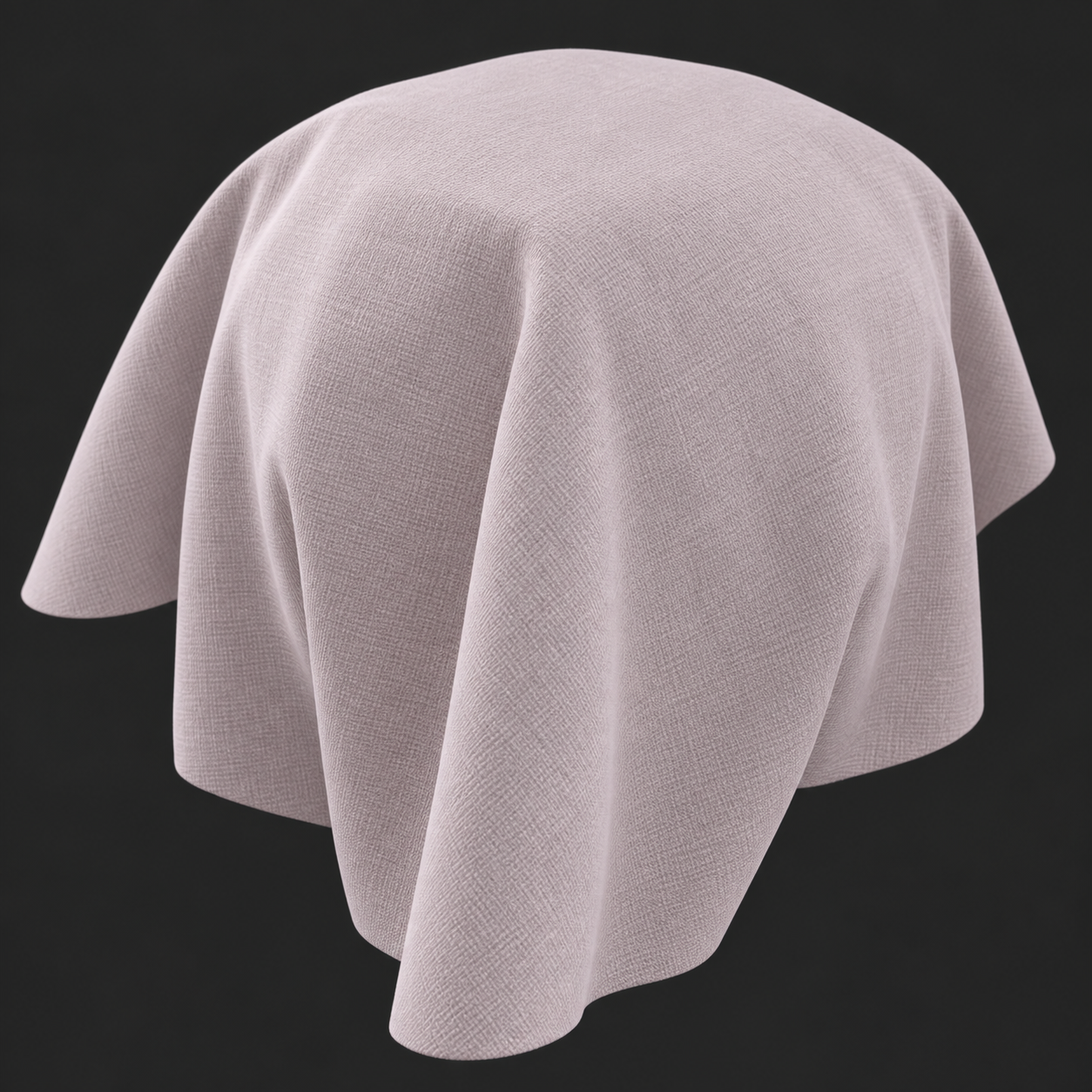
F01
Technical polyester composite
- Composition
- Polyester-based technical composite
- Structure
- Layered, stable construction
- Bonding note
- Higher peel resistance with a firmer handle in B02.
Explore tested fabric–adhesive combinations, inspect real surface scans, and compare the evidence behind each choice.
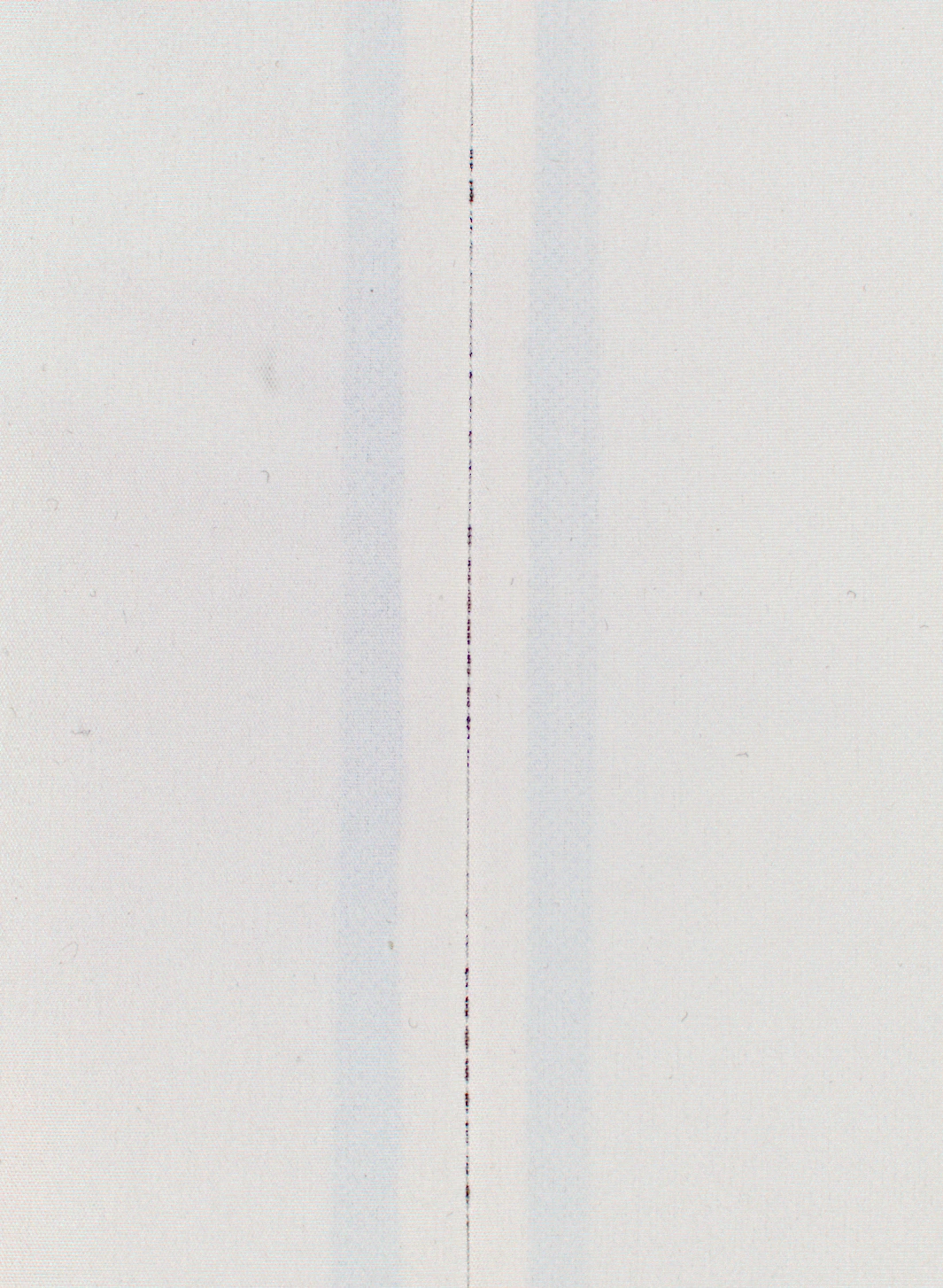

About
Physical swatches and digital evidence connect material, process and performance.
Materials
Original fabrics · Substance Sampler previews
F01
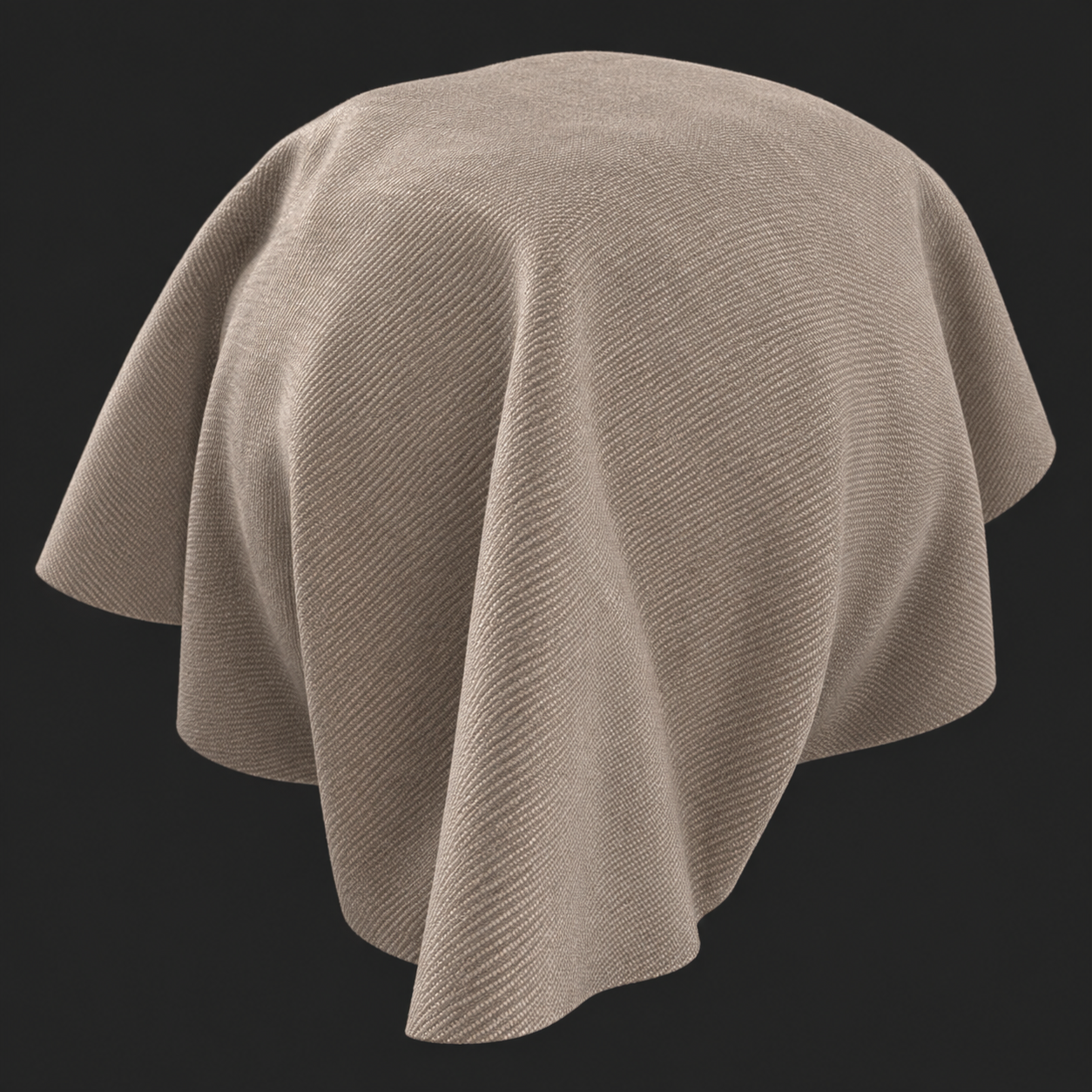
F02
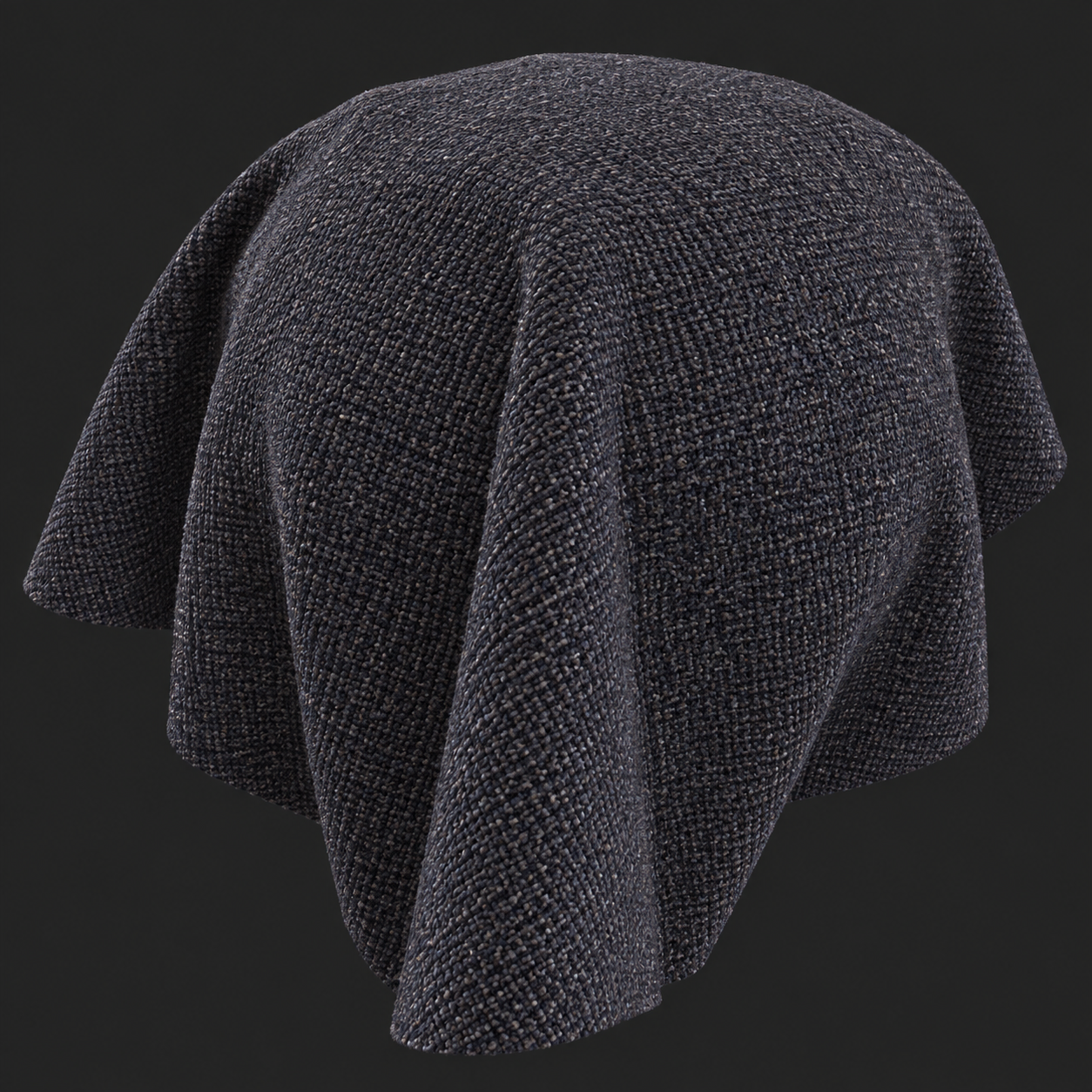
F03
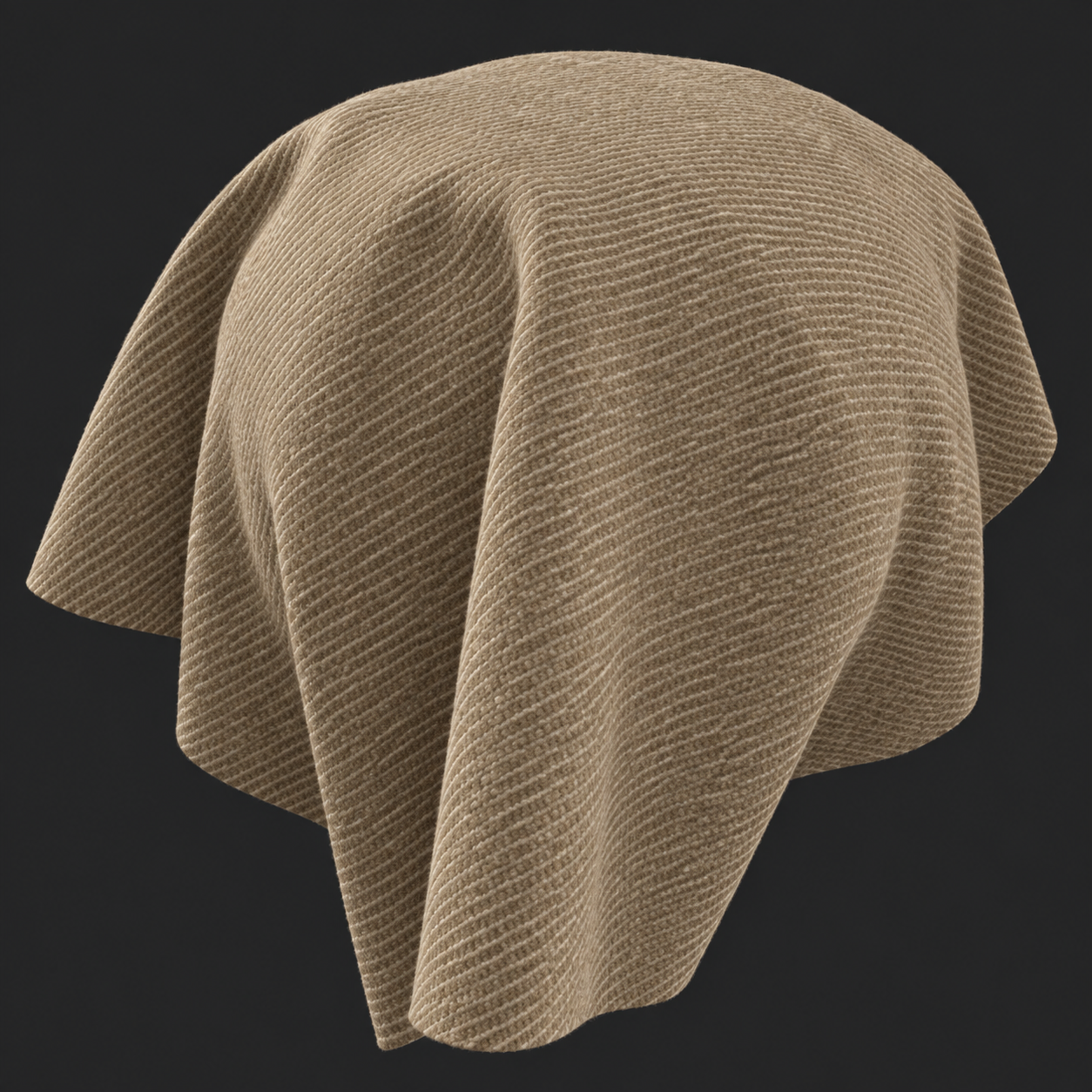
F04
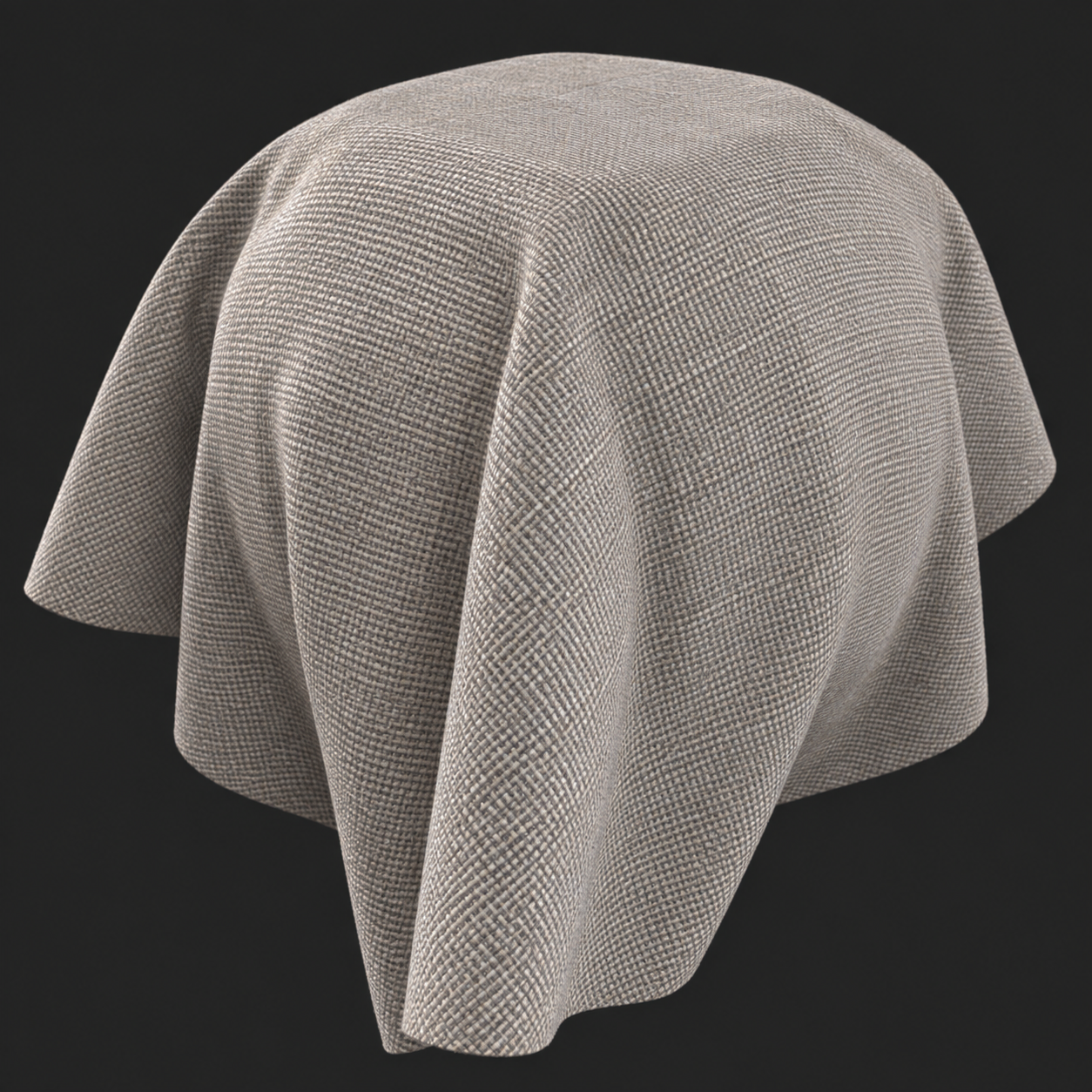
F05
Adhesives
Material pairing, heat and application sequence matter.
Settings below describe the selected trials.
B01
Lower-temperature route
F02-B01 retained some firmness.B02
High manual peel resistance
F01-B02 has a firmer handle.B03
Flexible handle in selected pairings
Polymer chemistry remains unconfirmed.TAPE
Sealing an existing stitched seam
Black tape has separate ISO 811 evidence; the transparent PU trial was excluded.Start a decision
Select up to three needs to reveal relevant evidence.
Each criterion retains its own meaning.
Peel resistance: Manual ratings: F02-B03 5.00; F01-B02 4.67; F01-B03 4.33. These are studio observations, not force measurements.
Tested combinations
Compare process, manual peel and handle.
Retained means suitable for further development.
7 combinations · Compare up to 3
High peel resistance with a firmer handle.
A useful balance of peel resistance and flexibility.
Lower processing temperature with a handle trade-off.
Highest manual peel rating with a soft handle.
No opening in folding, but low resistance to deliberate separation.
Softness does not compensate for weak peel resistance.
Repeat scores of 16, 17 and 20 showed inconsistency.
| Evidence | F01-B02 | F01-B03 | F02-B03 |
|---|---|---|---|
| Process | 175°C · 15s | 175°C · 15s | 140°C · 20s |
| Round 2 / 20 | 19.67 | 20.00 | 20.00 |
| Manual peel / 5 | 4.67 | 4.33 | 5.00 |
| Folding / 5 | 5/5 · 100 repetitions | 5/5 · 100 repetitions | 5/5 · 100 repetitions |
| Handle | Slightly firm | Very soft and flexible | Soft and flexible |
| ISO 811 | Not tested | Not tested | Not tested |
Peel ratings are studio observations. Folding 5/5 means no visible bond opening after 100 repetitions. Garment suitability and service life remain unvalidated.
Suitability
Application routes remain research proposals.
Component tests are needed before recommendations.
Check shaping, reinforcement and load transfer.
Component validation requiredCheck exposed edges, opening loads and water entry.
Component validation requiredCompare bonded, hybrid and stitched controls under movement.
Component validation requiredOutcome
Physical swatches preserve touch and construction.
Digital records connect recipes, results, failures and scans.
Original fabrics and processed samples, identified by material and construction code.
Searchable combinations, side-by-side comparison, laboratory results and AXF surface views.
Instrumented peel, laundering, component trials and validated digital material physics.